

From historical witch trials to feminist reclamations of this long-oppressed figure, the books on this list offer plenty of ways to explore the so-called witch in all her different forms. Settle in, brew yourself something warming and choose your next witchy read.
1. In Defence of Witches — Mona Chollet
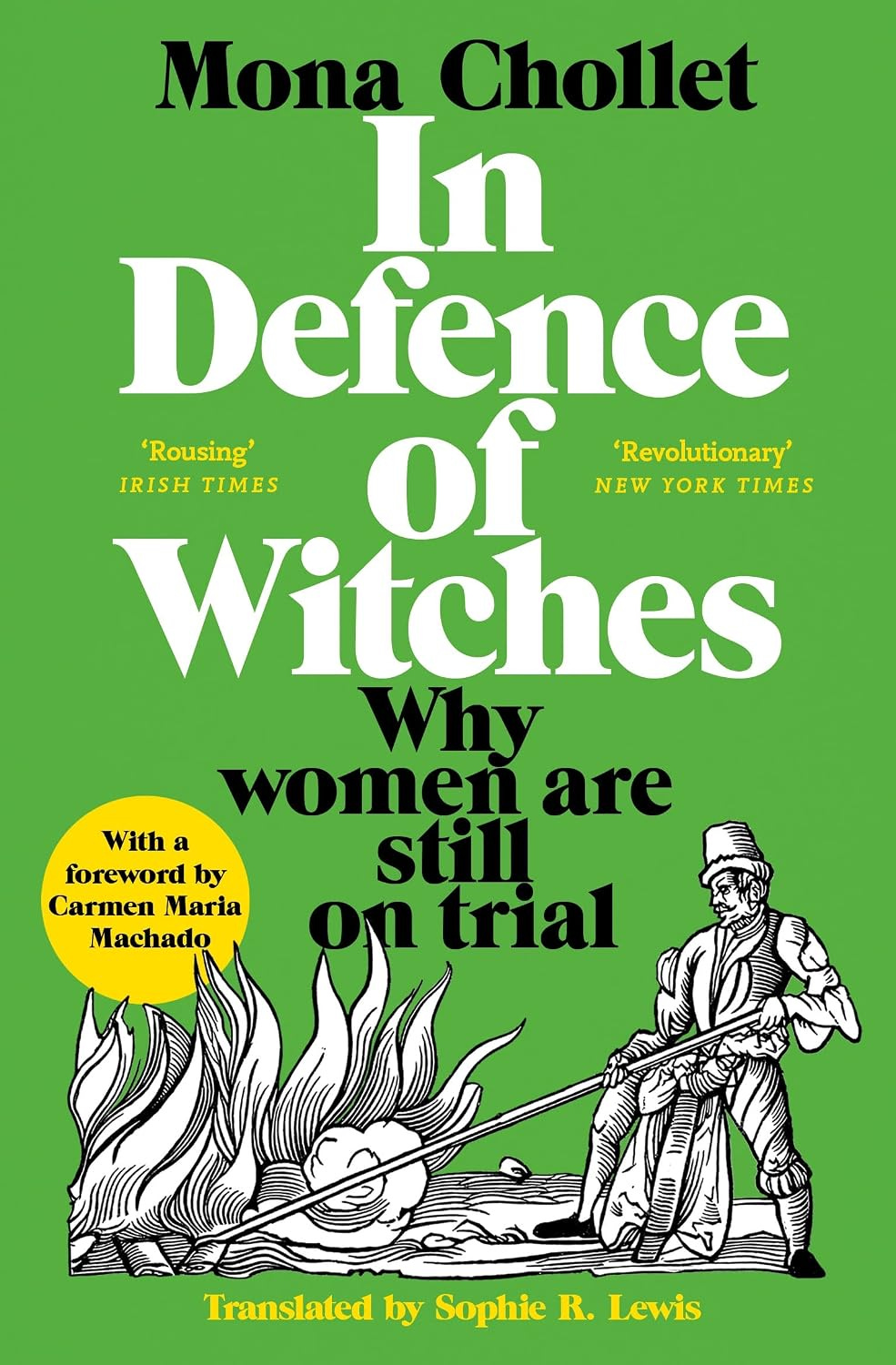
What if the women we’ve been taught to fear as witches were actually women who refused to fit neatly into the roles society gave them? Mona Chollet looks at the long history of witch-hunting alongside the ways women are still judged for being independent, childfree or for simply ageing. Part feminist history, part cultural commentary, this is a brilliant invitation to reclaim the witch as a figure of freedom and resistance.
2. Bright I Burn — Molly Aitken
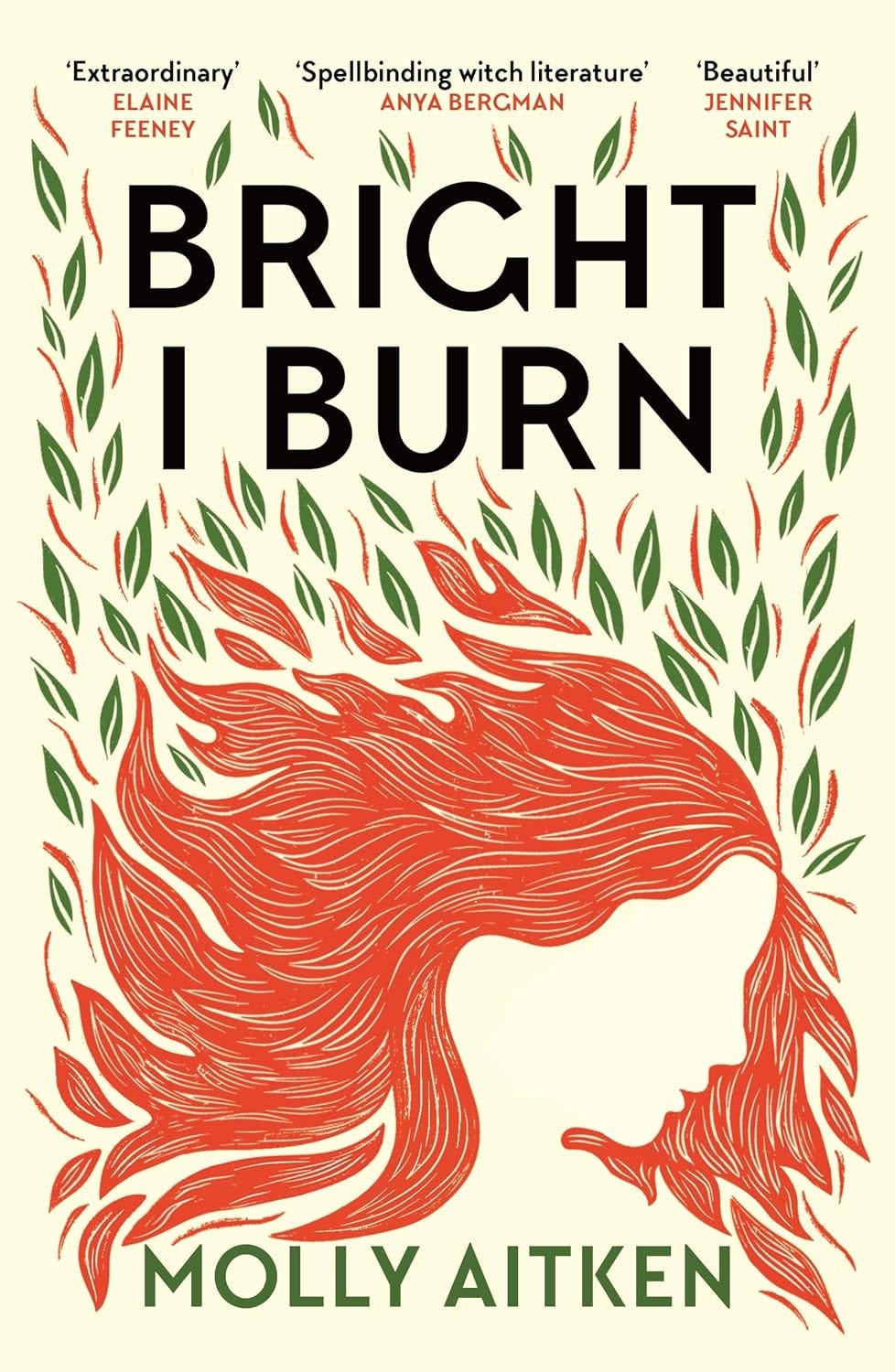
Inspired by the true story of Alice Kyteler, the first woman in Ireland to be condemned as a witch, Bright I Burn brings a fascinating woman from medieval history vividly back to life. Alice is ambitious, clever and determined to build a life on her own terms, but her wealth and independence make her increasingly threatening to those around her. Atmospheric, fiery and beautifully written, it’s a story about power, desire and what happens when a woman refuses to stay in her place.
3. Caliban and the Witch — Silvia Federici
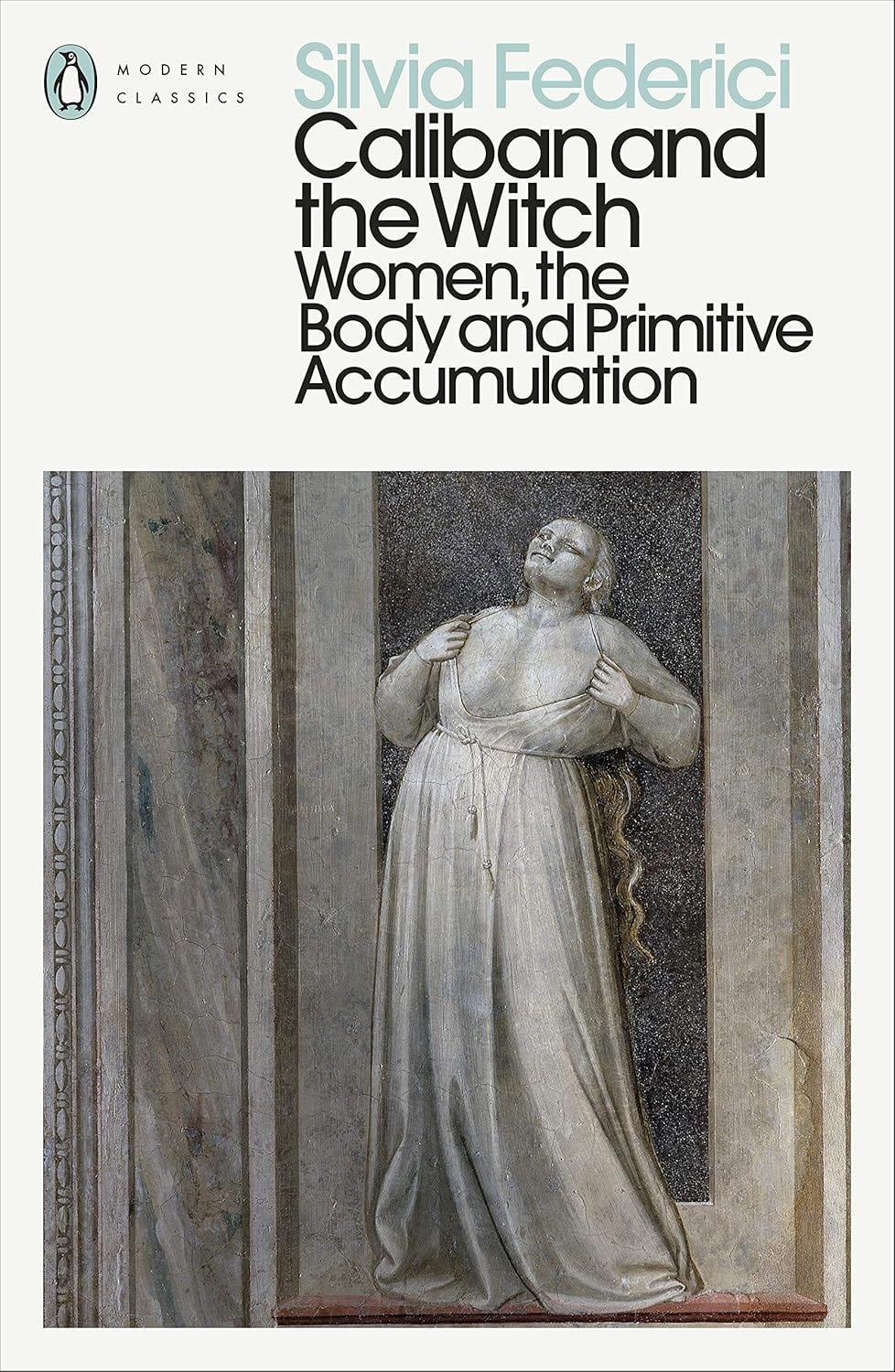
A fascinating and influential book for anyone curious about the deeper history behind the persecution of witches. Silvia Federici connects the witch hunts to the rise of capitalism, arguing that the control of women’s bodies, reproductive lives and labour was central to the emergence of a new economic order. It’s an illuminating read that asks us to look at witch-hunting as part of a much longer history of power.
4. The Manningtree Witches — A.K. Blakemore
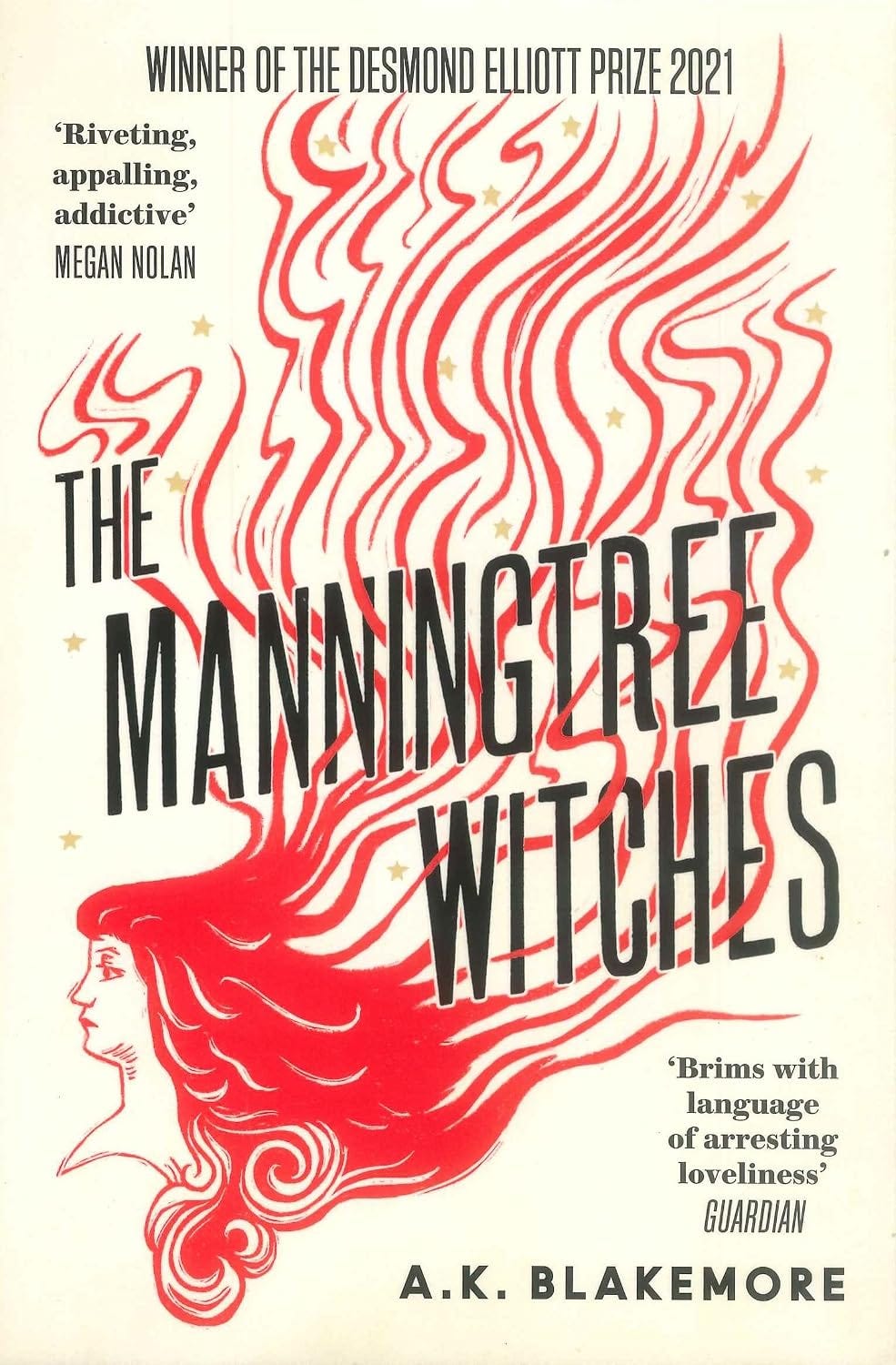
Set in Essex in 1645, this darkly atmospheric novel brings the notorious Manningtree witch trials to life through the eyes of Rebecca and her mother, Lizzy. The story captures a community gripped by suspicion, fear and religious fervour, while paying close attention to the women caught up in the accusations. Unsettling, immersive and beautifully rendered, it’s a haunting reminder of how quickly a neighbour can become an enemy.
5. The Green Witch — Arin Murphy-Hiscock
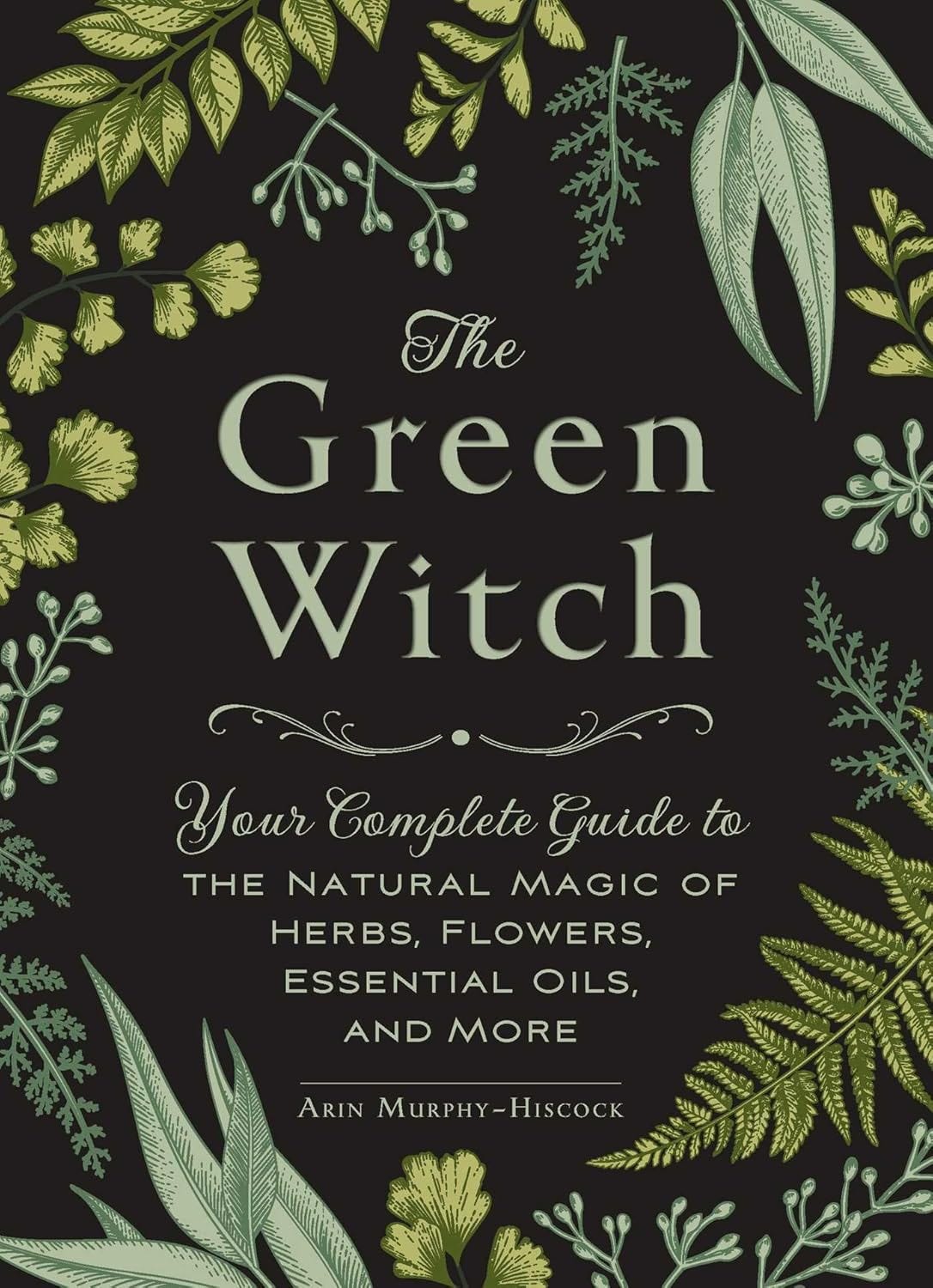
For something a little more hands-on, The Green Witch is a warm intro to nature-based witchcraft. It explores herbs, plants, crystals, seasonal rituals, and ways to bring a little more magic and mindfulness into everyday life. Suitable for an experienced practitioner or if you’re somebody who simply likes the idea of slowing down and paying closer attention to the natural world.
6. The Witch — Marie NDiaye
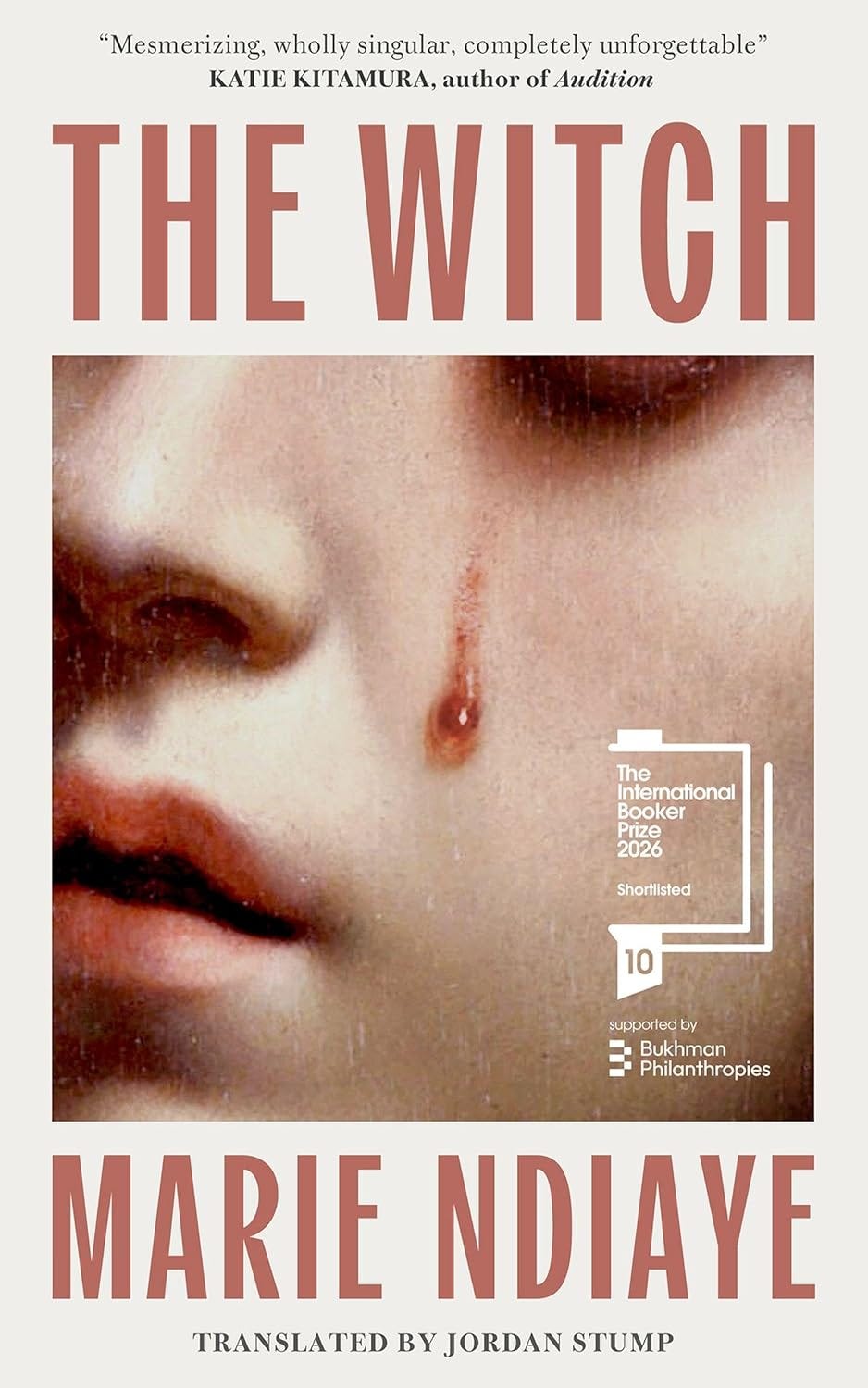
A strange, funny and wonderfully unsettling novel about Lucie, a rather ordinary witch whose magical abilities are considerably less impressive than those of her mother and her twin daughters. When the girls discover that their powers far exceed hers, family life takes some very unexpected turns. Originally published in French in 1996 and newly translated into English, it’s an offbeat take on witchcraft and motherhood.
7. Everyone Knows Your Mother Is a Witch — Rivka Galchen
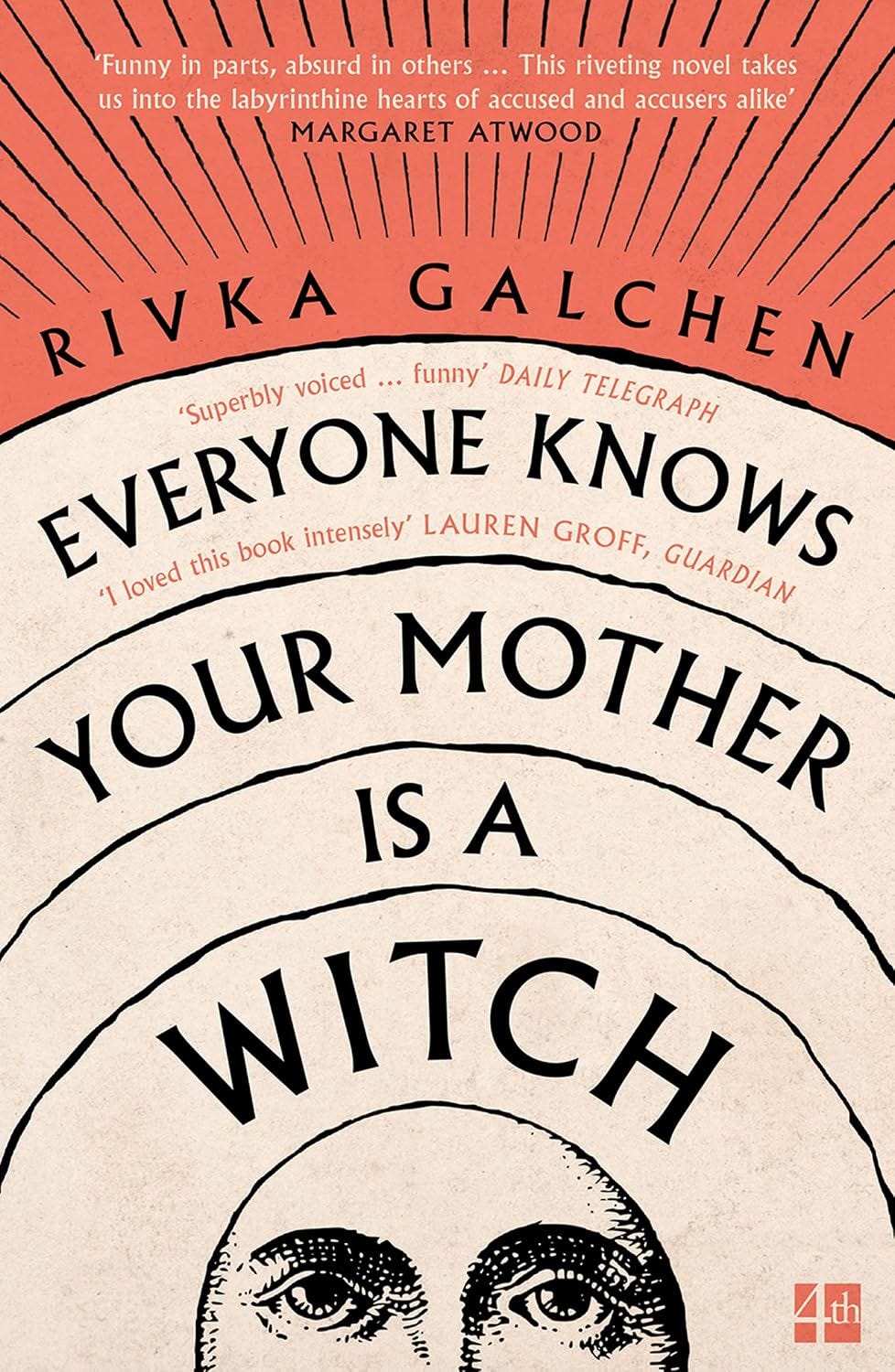
Set in seventeenth-century Germany, this wonderfully inventive novel follows Katharina Kepler, an ordinary woman accused of witchcraft by her neighbours. Told through the testimony of the people around her, it becomes as much a story about gossip, community and the stories we construct about one another as it is about witchcraft itself. Funny, strange and surprisingly tender, it brings a very human dimension to the history of witch trials.
8. Witches, Midwives and Nurses: A History of Women Healers — Barbara Ehrenreich & Deirdre English
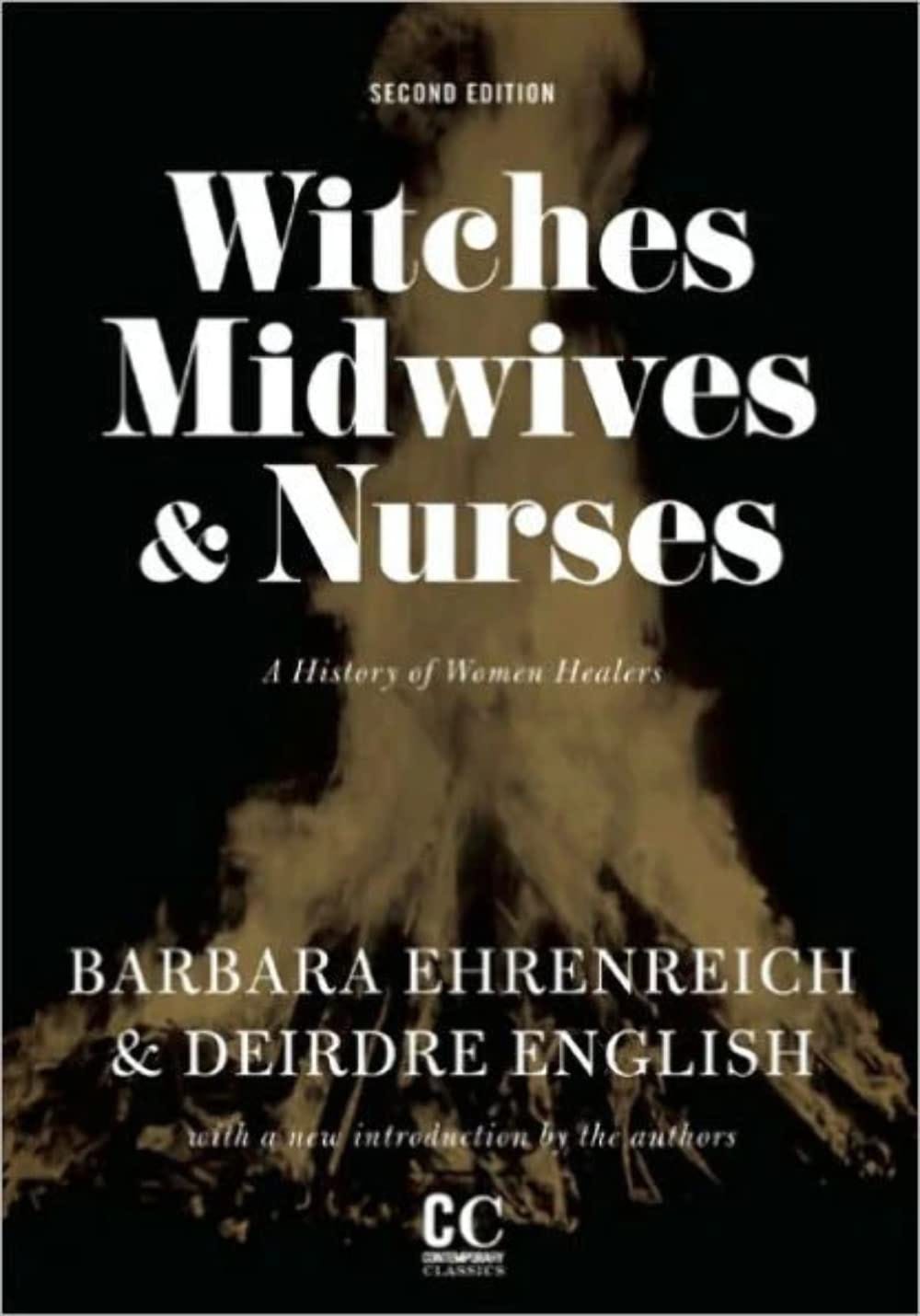
This short but influential book explores the complicated history of women and healing, from folk medicine and midwifery to the emergence of professional medicine. It asks how women’s knowledge of their own bodies and of healing practices came to be marginalised as medicine became increasingly professionalised and male-dominated. A fascinating read if you’re interested in the relationship between witchcraft, women’s knowledge and who gets to be recognised as an authority figure.
9. Circe — Madeline Miller
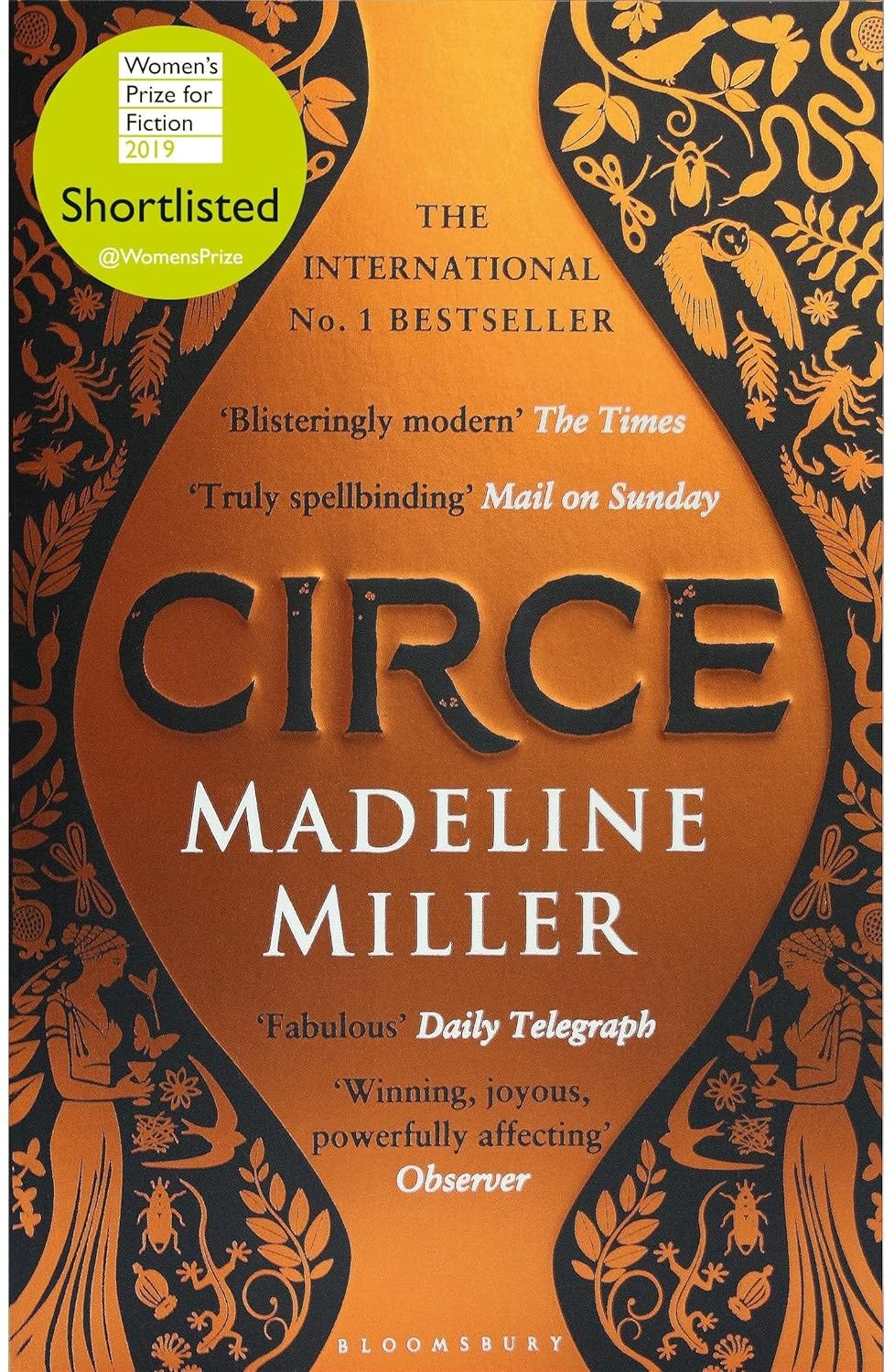
You may already know Circe as the witch who turns Odysseus’s men into pigs, but Madeline Miller gives her a whole story of her own. Exiled to a remote island, Circe discovers her powers and gradually learns how to use them, navigating gods, monsters, love and loneliness along the way. Lyrical and immersive, it’s a beautiful reimagining of a woman remembered for centuries as a villain.
10. Witchcraft: A History in Thirteen Trials — Marion Gibson
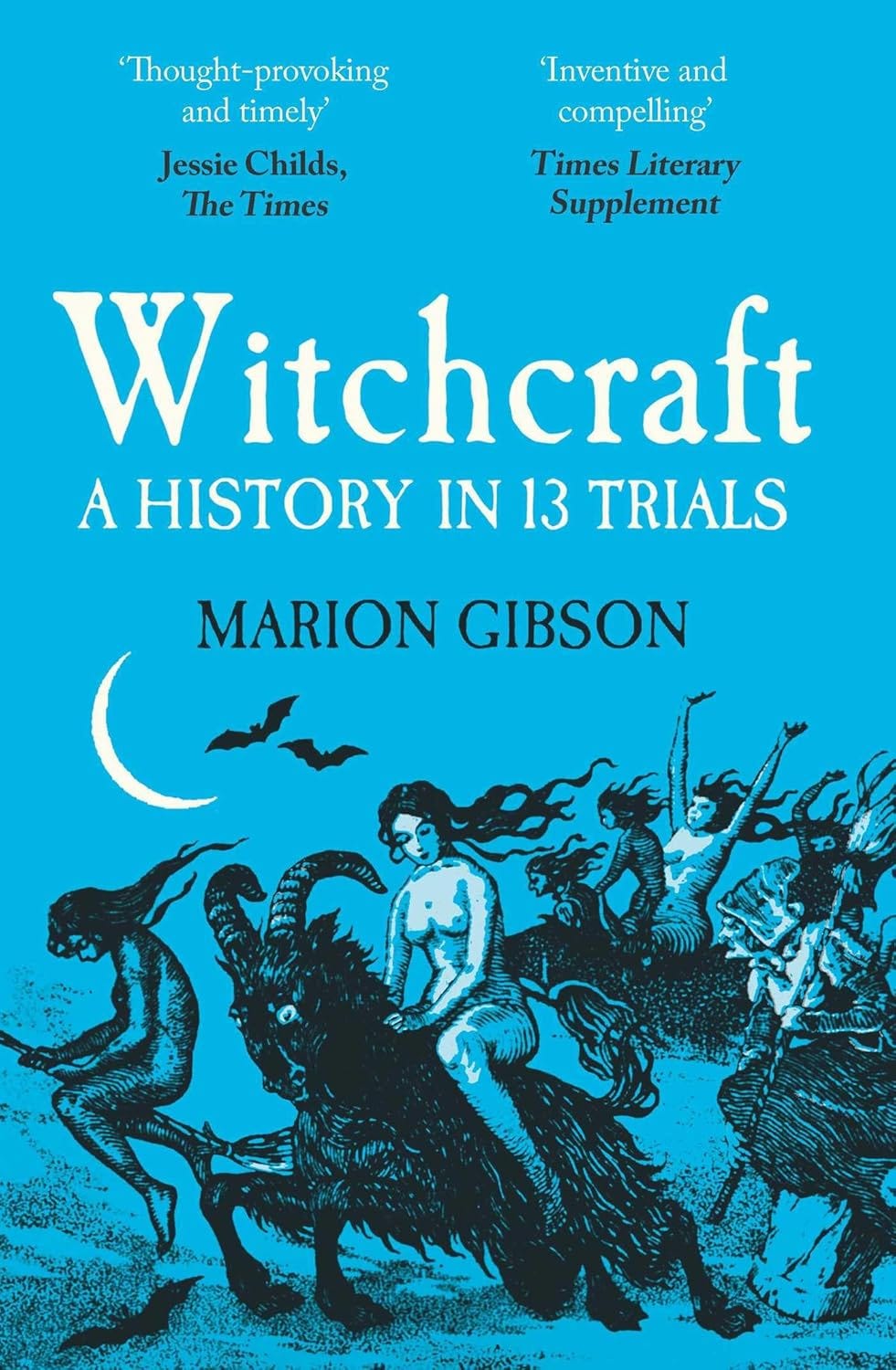
Marion Gibson takes us through thirteen individual trials, spanning centuries and continents. Alongside familiar names and infamous witch-hunters, she brings the accused themselves back into focus, asking who these people were and what their lives might have looked like before they were labelled witches. Fascinating and accessible, it’s a powerful reminder that those accused of witchcraft were just ordinary women and men.